We’re joining the annual National Eye Health Week campaign again this year, raising awareness of the importance of eye tests and how to boost eye health.
Eye Tests:
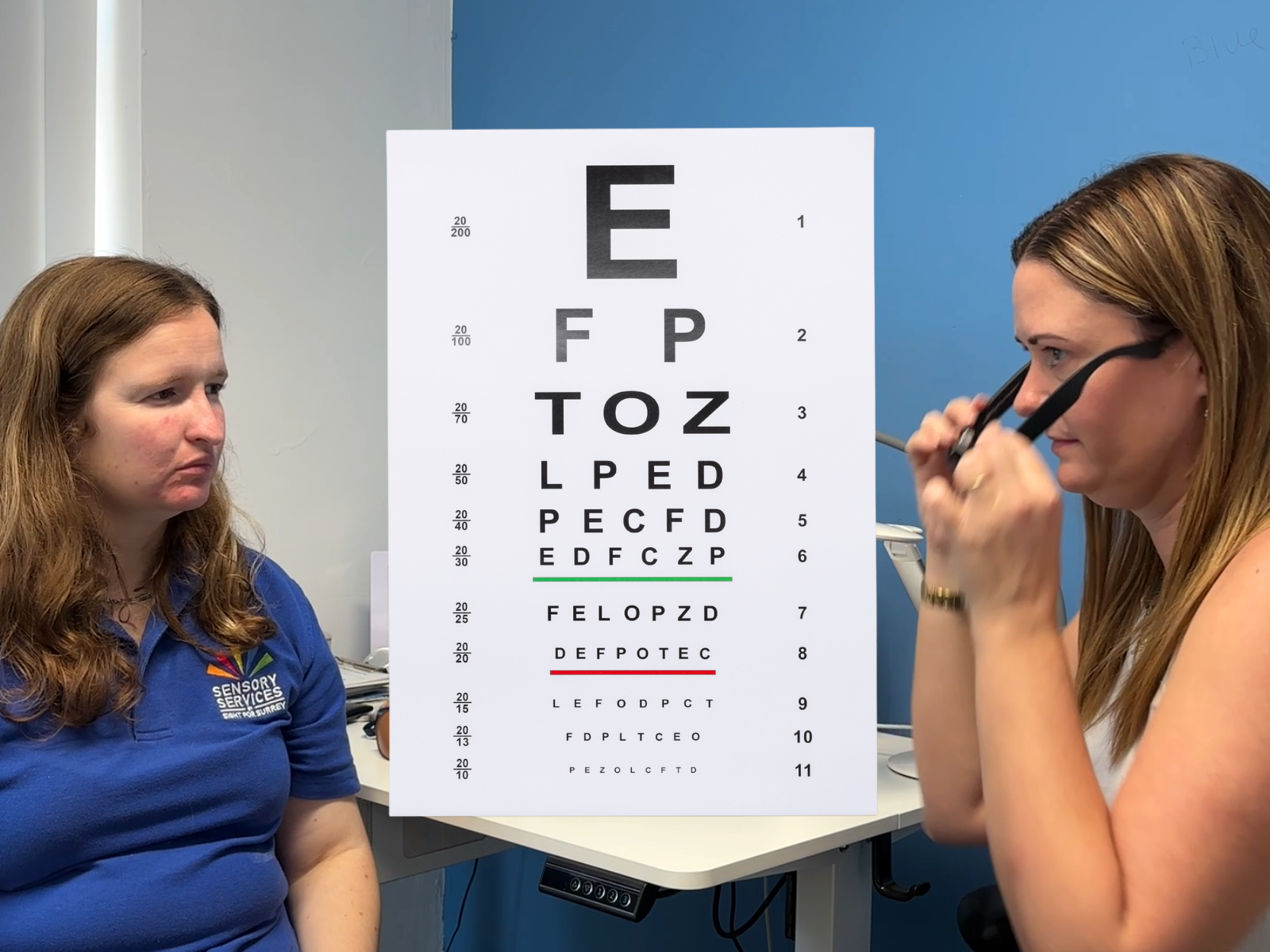
So, when was your last eye test? Did you know you should have a sight test at least every 2 years?
Many people think an eye test is only about checking whether they need glasses or contact lenses. In fact, it can do much more.
Click this link for our video on the importance of eye tests.
An eye examination can help detect changes in your eye health and identify certain eye conditions early, when treatment may be most effective. Eye tests can also sometimes reveal signs of wider health issues, helping you take action sooner.
Get ahead of the game! For ways on how to book your test, please visit: https://www.nhs.uk/nhs-services/opticians/
You may even qualify for a free eye test. To find out if you’re eligible, go to: https://www.gov.uk/help-nhs-costs
Your optician may even be able to give your test from the comfort of your own home. Please check with your optician to see if this service is available.
Eye Health:
Alongside regular eye tests every two years, here are some practical ways to keep your eyes healthy.
Click this link to watch our video on optimising eye health:
Eye Conditions:
Did you know that more than half of all sight conditions could be prevented and even treated? With the help of our simulation specs, we’re going to replicate three different eye conditions to show you what having a vision impairment can be like.
Click this link to watch our video on different eye conditions:
1. Loss of peripheral vision or tunnel vision i.e. glaucoma or retinitis pigmentosa
2. Loss of central vision i.e. macular degeneration
3. Loss of half visual field or hemianopia – often after stroke, brain trauma or tumour
Making Eye Tests accessible:
Worried about whether your eye test will be accessible for someone who is Deaf or hard of hearing? There are several ways your optician can help. It is important to let your optician know ahead of your appointment.
Opticians can:
1. Maintain eye contact
2. Keep face uncovered
3. Speak clearly
4. Light the room well
Ahead of your appointment you can request:
1. BSL interpreter
2. Hearing loop
3. Text or email communication
4. Extra time
Some opticians have their own form where you can make special requests regarding accessibility.
Click here for the link to the the official National Eye Health Week site with lots of useful top tips and links to further information.